Skip to content
Institute of New EuropeInstitute of New Europe
Diplomacy

Sanctions on Russia Effective instrument or empty rhetoric?

Jan Starosta/November 26, 2024
Sanctions on Russia Effective instrument or empty rhetoric?

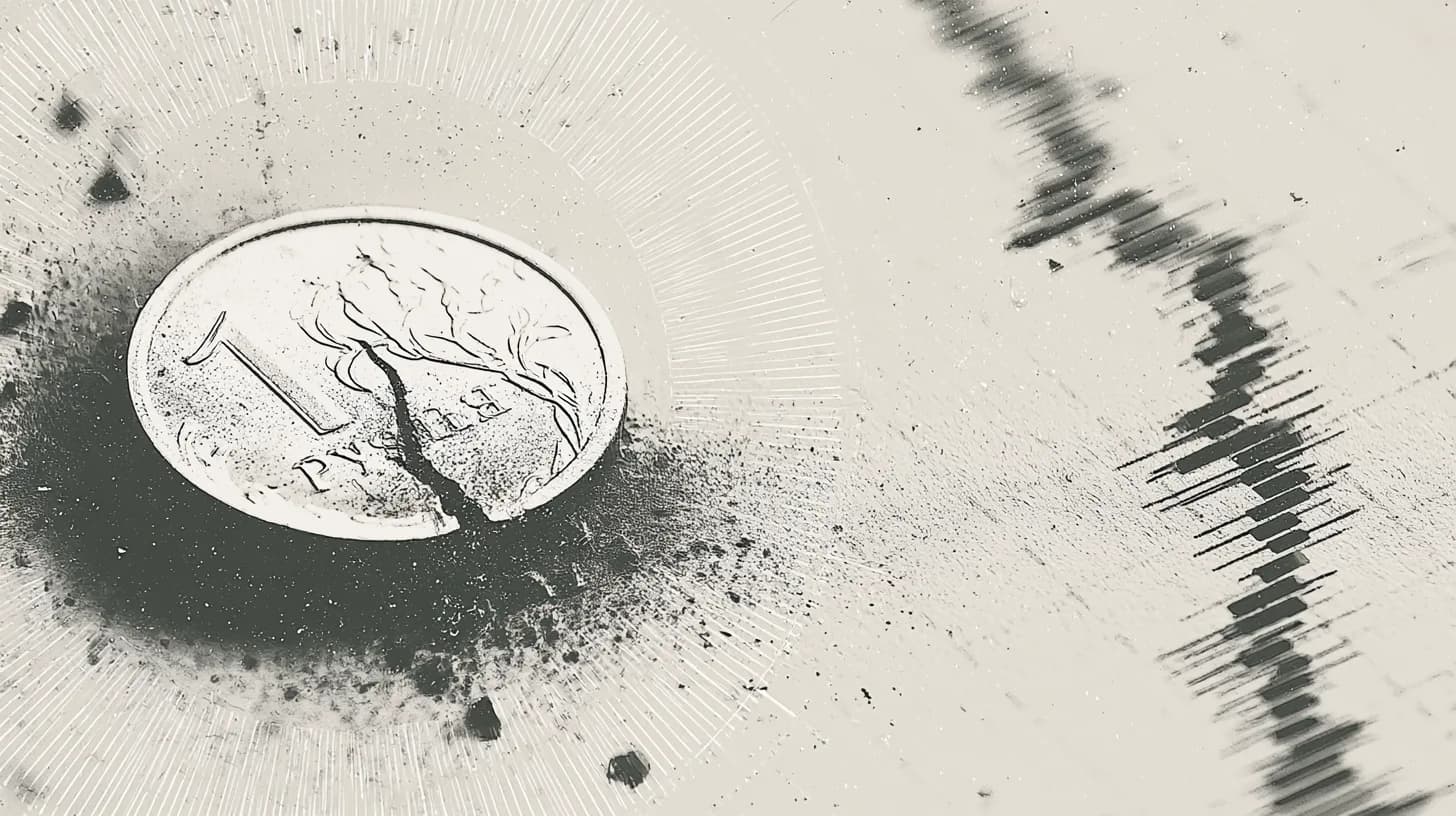
The West responded to Russia’s invasion of Ukraine by gradually introducing sanctions packages aimed at isolating Russia and impacting its society, elites, economy, and military capabilities. Initial sanctions were imposed following Russia’s annexation of Crimea in 2014. Sanctions—or restrictive measures—have been a key economic impact tool under the CFSP (Common Foreign and Security Policy) since the early 1990s.

However, only recently there has been heightened interest in this aspect of foreign policy among the European Commission and member states. Sanctions adoption remains largely the domain of individual foreign ministries and the FAC (Foreign Affairs Council). Meanwhile, the responsibility for implementing sanctions is delegated to specific institutions within member states.

This decentralized approach to sanctions can create challenges in forming a cohesive front and may undermine policy legitimacy. Particularly in cases where sanctions affect exports from European countries, there can be a temptation to breach the unified sanctions stance.

The authors’ team

Share
Jan Starosta

Author

Jan Starosta

Analityk

Analityk w Instytucie Nowej Europy. W latach 2023-2026 kierownik Biura Projektów. Absolwent kierunku Metody Ilościowe w Ekonomii i Systemy Informacyjne w Szkole Głównej Handlowej w Warszawie. Studiował również na Uniwersytecie Warszawskim (II stopień) oraz Universidade de Coimbra (Erasmus+) w Portugalii. Jest członkiem Towarzystwa Ekonomistów Polskich oraz Forum Młodych Dyplomatów. W 2024 roku został laureatem konkursu Young Experts Day. Doświadczenie zdobywał m.in. podczas pracy jako młodszy ekonomista w Instytucie Finansów Publicznych oraz stażu w Polskim Instytucie Spraw Międzynarodowych (PISM). Był także stypendystą programu The Fund for American Studies (TFAS), w ramach którego odbył staż w Waszyngtonie w Victims of Communism Memorial Foundation oraz uczestniczył w zajęciach akademickich na George Mason University. Jego zainteresowania badawcze koncentrują się na bezpieczeństwie międzynarodowym, relacjach NATO–Rosja, sprawach wojskowych oraz ekonomice zbrojeń.